









Now Reading: MET GALA 2026 REVEALED: Embracing the Dressed Body and Challenging Fashion’s Narrow View
-
01
MET GALA 2026 REVEALED: Embracing the Dressed Body and Challenging Fashion’s Narrow View

MET GALA 2026 REVEALED: Embracing the Dressed Body and Challenging Fashion’s Narrow View

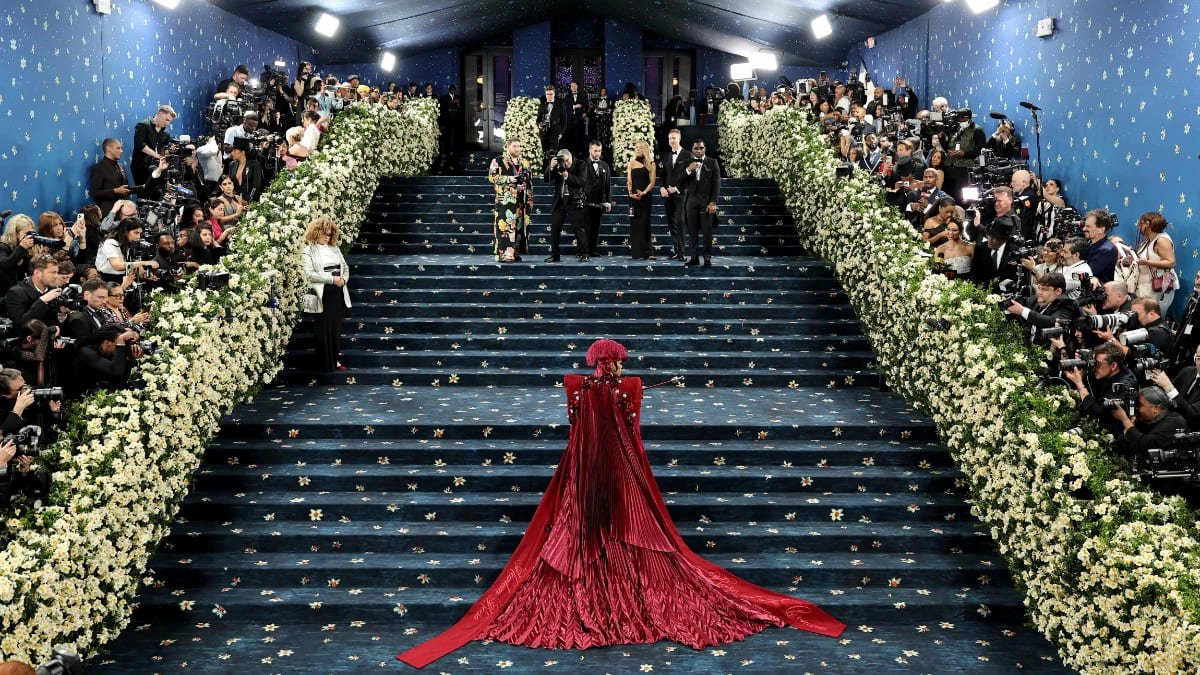
The Metropolitan Museum of Art has officially revealed the theme for its highly anticipated 2026 spring exhibition and “star-studded” benefit gala: “Arte del Vestuario,” which translates roughly to “Costume Art” or “The Art of Dress”. The accompanying exhibition, which promises to be both expansive and thought-provoking, will formally examine “the centrality of the dressed body”.
While the formal title is “Arte del Vestuario,” the overarching message behind the event, according to commentators, is about “aceptar el cuerpo” (accepting the body). This focus on body acceptance comes at a culturally significant—and perhaps ironic—moment, given the current “Ozempic era”.


Exploring the Indivisible Link Between Flesh and Fabric
The exhibition seeks to move beyond traditional visual prioritization in fashion, which often comes “at the expense of the corporeal”. Instead, “Arte del Vestuario” will privilege the materiality of fashion and emphasize the indivisible connection between our bodies and the clothing we wear.
According to statements by curator Bolton, the goal is to re-include the body in the larger debates surrounding art and fashion. The exhibition aims to embrace the body, rather than eliminating it as a means to elevate fashion to a pure art form. This vision of the corporal is significantly broader than that usually promoted by the fashion industry itself, which often relies on extremely thin models and narrow sizing ranges.
To achieve this comprehensive examination, the exhibition will combine roughly 200 garments and accessories with 200 existing works of art. This extensive collection will span Western prehistory all the way up to the present day, exploring how fashion and the flesh have mutually shaped one another across the centuries.
A Diverse View of the Human Form
The exhibition’s exploration of the body is designed to be inclusive, grouping types of bodies into three distinct categories:


- Bodies in Art: This category covers established artistic subjects, such as the classical body and the nude body.
- Often Overlooked Bodies: This important segment focuses on bodies that frequently go unnoticed or are excluded from mainstream fashion narratives, such as the bodies of pregnant people or elderly people.
- Universal Bodies: This final category includes more general concepts, like anatomical bodies.
A preview released by Vogue included several garments that demonstrate this wide scope. Among the confirmed pieces are:
- The rounded “Pregnancy” dress by Georgina Godley.
- A 2017 design by Comme des Garçons featuring exaggerated sculptural curves.
These examples highlight the exhibition’s commitment to showcasing forms that exist outside the conventional narrow scope of high fashion.
The Challenge of the Star-Studded Gala
While the academic theme is described as “interesting,” there is an underlying sense of skepticism regarding the red carpet execution. Commentators often note that in previous years, only a percentage of the star-studded guests truly adhere to the theme. There is an expressed desire for stricter adherence to the theme from attendees, suggesting that guests should be required to wear garments directly related to the concept, rather than simply inviting gossip-worthy personalities. However, observers acknowledge that such strict compliance might be “asking too much in this era”.
Despite the potential for red carpet misinterpretations, the exhibition itself promises a deep dive into the historical and cultural dialogue between human anatomy and attire, demanding that attendees consider the importance of the dressed body.


Previous Post
Next Post